Tiananmen, meaning "Gate of Heavenly Peace," is the iconic symbol of Beijing and the national emblem of the People's Republic of China. Located at the very heart of Beijing on the city's central axis, it serves as the ceremonial entrance to the Imperial City and the Forbidden City. Originally built in 1417 during the Ming Dynasty, Tiananmen has witnessed over 600 years of Chinese history, evolving from a strictly forbidden imperial zone to a public monument representing the soul of the nation.
Key Highlights
Architectural Grandeur: The gate features a magnificent wooden structure topped with yellow glazed tiles, symbolizing imperial power. It stands 34.7 meters high with nine bays wide from east to west, representing the "Supreme of Nine Five" (Jiu Wu Zhi Zun).
The Tiananmen Rostrum: The upper floor is the Rostrum, where national leaders stand to review military parades and national celebrations. It is flanked by two stone lions and two ornamental columns called Huabiao.
The Monumental Plaza: The gate overlooks Tiananmen Square, the world's largest urban square, which can accommodate over 1 million people.
Historical Evolution:
Ming Dynasty: Originally named "Chengtianmen" (Gate for Accepting the Mandate of Heaven).
Qing Dynasty: Rebuilt and renamed "Tiananmen" in 1651, signifying "peace under heaven."
Modern Era: It became the symbol of New China when Chairman Mao Zedong proclaimed the founding of the People's Republic of China here on October 1, 1949.
Must-See Attractions
The Great Hall of the People: Located on the west side of the square, it is where the National People's Congress meets.
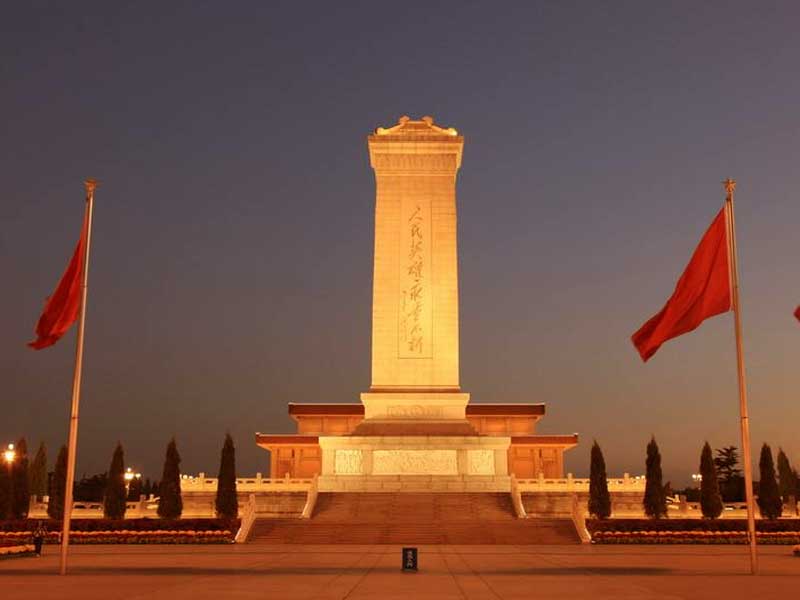
The Monument to the People's Heroes: Standing in the center of the square, commemorating those who died in revolutionary struggles.
The National Museum of China: Located on the east side, housing extensive collections of Chinese history and art.
The Mausoleum of Chairman Mao: Located at the southern end of the square.
Visitor Information
Location: Dongcheng District, Beijing (at the southern edge of the Forbidden City).
Tickets: Entry to Tiananmen Square is free, but advance reservation is mandatory. To ascend the Tiananmen Rostrum, you need a separate ticket (approx. ¥15).
Opening Hours:
Square: Generally open 24 hours, but access is restricted at night and requires early arrival during peak seasons.
Rostrum: Usually 08:30 - 17:00 (closed during state activities).
Getting There:
Subway: Take Line 1 to Tiananmen East or Tiananmen West Station. Avoid Line 2 stations (Qianmen or Jianguomen) during peak hours as they require long walks.
Security: Be prepared for strict security checks. Avoid carrying large bags or prohibited items to save time.
Tips for Visitors
Watch the Flag Raising: The flag-raising ceremony performed by the People's Liberation Army Guard of Honor is a solemn and spectacular event. Times vary daily based on sunrise, so check the schedule in advance.
Plan Your Route: Due to security, you cannot freely cross the square at all times. Plan to walk from the square into the Forbidden City (through the Meridian Gate) or visit the Great Hall of the People in one go.
Photography: The best spot for a classic photo of the gate is from the middle of the Zhengyang Bridge (in the south) or from the Golden Water Bridge (in the front).