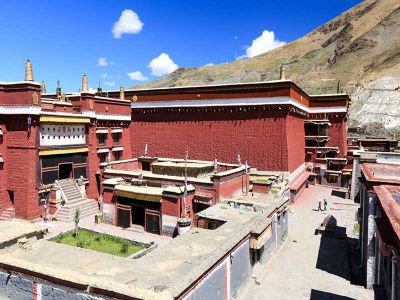
Located in Sakya County, Shigatse, Sakya Monastery is the ancestral seat of the Sakya School, one of Tibetan Buddhism's four major sects. Founded in 1073 by Khon Konchok Gyalpo, it stands on the banks of the Zhongqu River, with the South Monastery built later in 1268 under Phagpa.
Meaning "grayish earth" in Tibetan, it's famed for walls painted red, white and blue—symbolizing Manjusri, Avalokiteshvara and Vajrapani—earning it the nickname "Variegated Sect". A Yuan-era fortress-like structure, it features double walls, watchtowers and a moat.
Known as “Tibet's Second Dunhuang”, it houses over 84,000 ancient manuscripts, exquisite murals and priceless relics. As a national key cultural relic, it embodies Tibetan religious heritage, artistic splendor and historic unity.