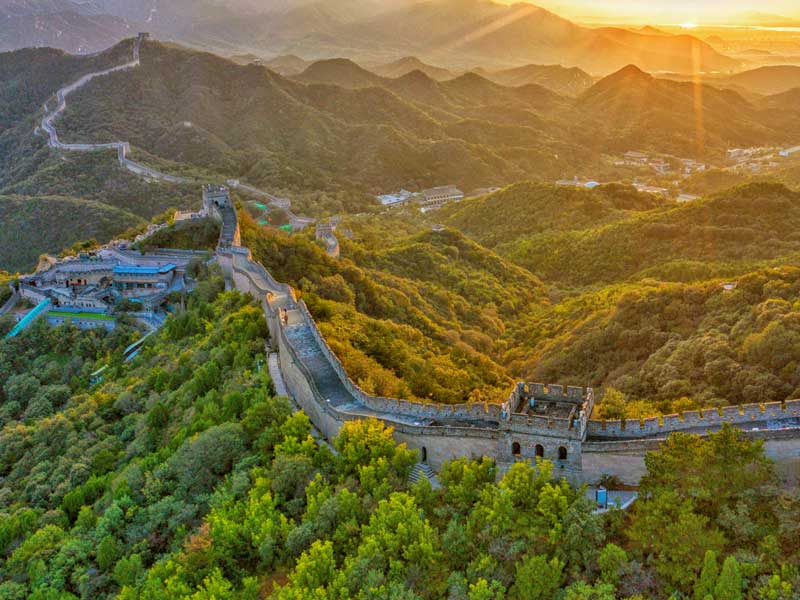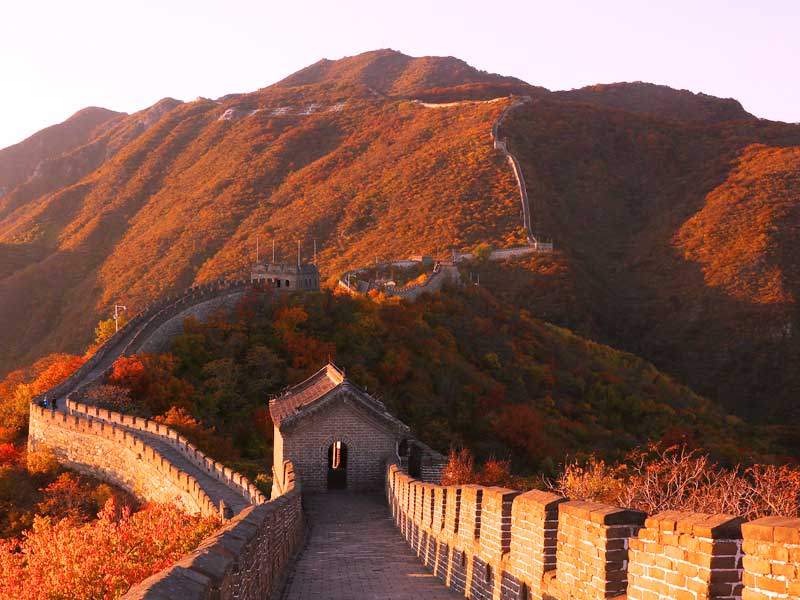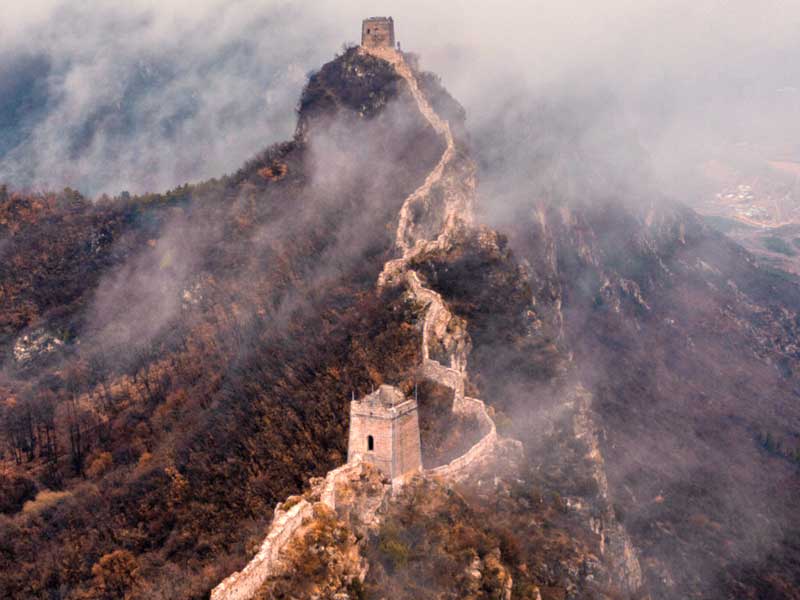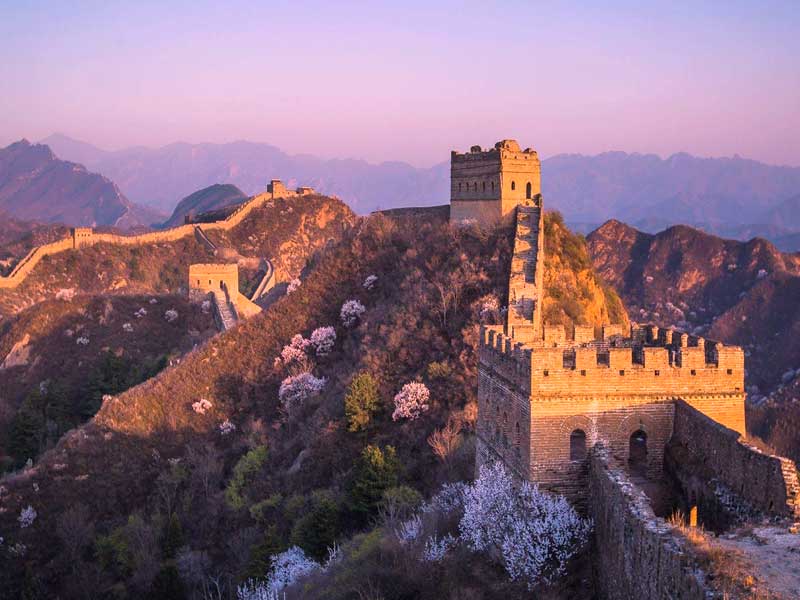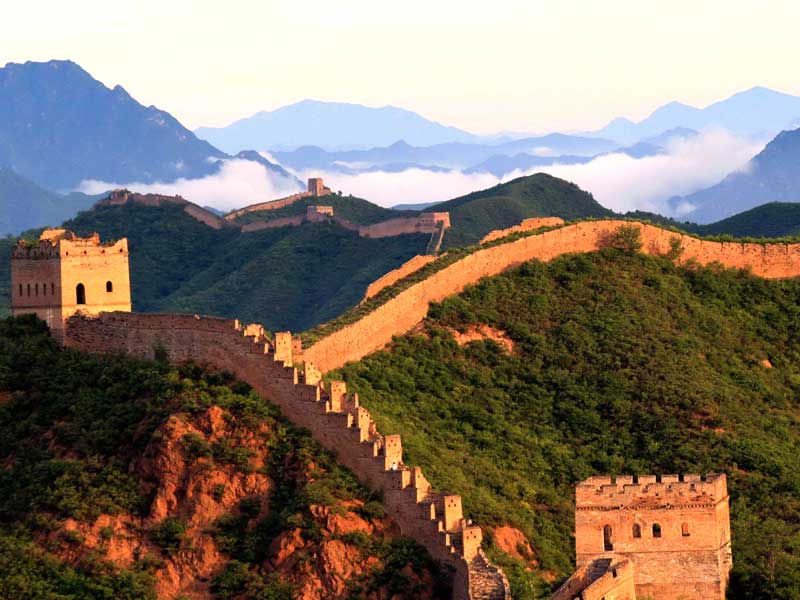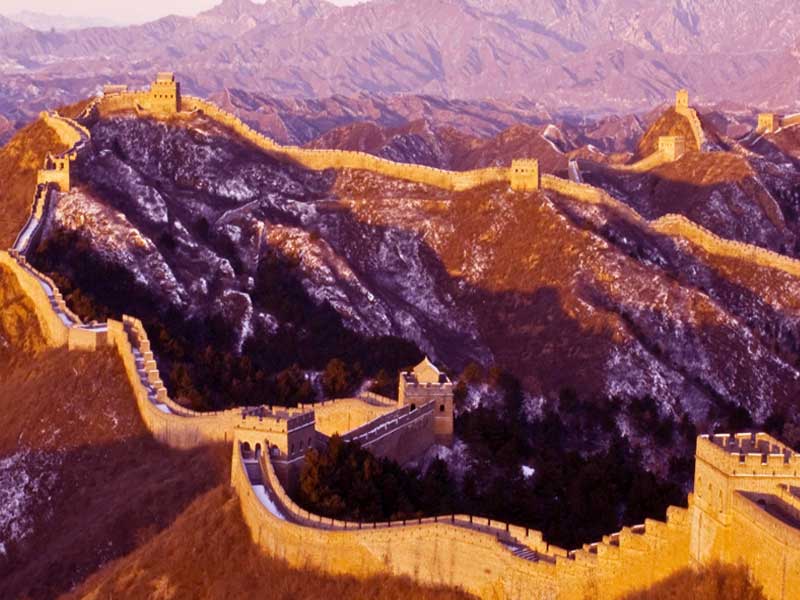
The Great Wall of China is one of the most iconic architectural wonders in the world and a supreme symbol of Chinese civilization. The Ming Great Wall stretches across China's northern borders from Laolongtou (Old Dragon's Head) and Shanhaiguan Pass in Qinhuangdao, Hebei Province, in the east, to Jiayuguan Pass in Gansu Province in the west, winding through mountains, plateaus, and deserts. The Qin Great Wall started from Lintao in the west and ended at Liaodong in the east.
Key Highlights
Massive Scale: According to the latest official survey, the total length of all sections of the Great Wall built across different dynasties is 21,196.18 kilometers (13,170 miles). The most well-preserved Ming Dynasty section alone spans 8,851.8 kilometers (5,500 miles).
Ancient Origins: Its construction dates back over 2,000 years to the Spring and Autumn and Warring States periods. Later, Emperor Qin Shi Huang connected these fragmented walls to defend against northern nomadic tribes. The majority of the brick-and-stone wall we see today was built during the Ming Dynasty (1368–1644).
UNESCO World Heritage: It was inscribed as a UNESCO World Heritage site in 1987 and was named one of the "New Seven Wonders of the World" in 2007.
Cultural Symbolism: The Great Wall is not just a military fortification; it represents the perseverance, resilience, and architectural brilliance of the ancient Chinese people. It is deeply rooted in Chinese folklore, most famously the legend of Meng Jiangnu, whose bitter weeping caused a section of the wall to collapse.
Architectural Features
Defense System: It is not a single continuous wall but a complex defense network consisting of walls, watchtowers, beacon towers, and strategic mountain passes (such as Shanhaiguan in the east and Jiayuguan in the west).
Building Materials: Depending on the era and local resources, the wall was constructed using rammed earth, wood, bricks, and stone. The Ming sections are famous for their massive bricks and sturdy mortar.
Visitor Information
Main Sections in Beijing: Visitors can explore different sections based on their preferences:
Badaling: The most famous, well-preserved, and accessible, but often crowded.
Mutianyu: Less crowded, surrounded by lush forests, and features a fun toboggan ride down.
Jinshanling & Simatai: Known for their wild, rugged beauty and excellent hiking trails, popular among photographers and adventurers.
Getting There: Most popular sections are located in the mountainous suburbs of Beijing, accessible by high-speed train, tourist buses, or private car.
Tips for Visitors
Wear Proper Footwear: The steps are often uneven and steep. Sturdy, non-slip hiking shoes are highly recommended.
Bring Water and Snacks: Facilities on the wall are limited, so it's best to carry your own supplies.
Respect the Heritage: It is strictly prohibited to carve names or take bricks from the wall. "Take nothing but pictures, leave nothing but footprints."
Famous Quote:
"He who has not climbed the Great Wall is not a true man." (不到长城非好汉) — A famous line by Chairman Mao Zedong, which has become a popular saying for visitors today.